Delivering an AI-Powered Drowning Detection System for a UAE Government Tender
A UAE government infrastructure initiative required an AI-powered safety system capable of detecting drowning incidents across public beaches, school pools, and private lagoons in real time. The project came through a government tender secured by Deep Blue Technologies, with Sketric handling the full technical implementation.

Role
Technical Project Manager
Company
Sketric Solutions (partner: Deep Blue Technologies, client: UAE Government)
Organisations coordinated
3
Environments tested
Beaches, pools, lagoons, school facilities
Challenge
Building a life-safety AI system for a government tender required a level of precision and reliability that goes beyond typical product delivery. The system needed to work across multiple real-world environments including swimming pools, open beaches, and lagoons, each presenting different lighting conditions, crowd densities, and water clarity. Beyond technical accuracy, the solution needed to be explainable and trustworthy to non-technical government stakeholders evaluating it for full-scale deployment.
Results
The MVP was delivered successfully across 8 live locations, achieving an 88% model detection accuracy rate that was formally reported to partners and used in the tender evaluation. Demonstrations were conducted on actual beach and pool footage, validating both the technology and the usability of the system in real-world conditions. The proposal was won on first submission.
8
Deployed across locations
88%
Model detection accuracy
1st
Won on first submission
Process
Project Scoping and Stakeholder Alignment
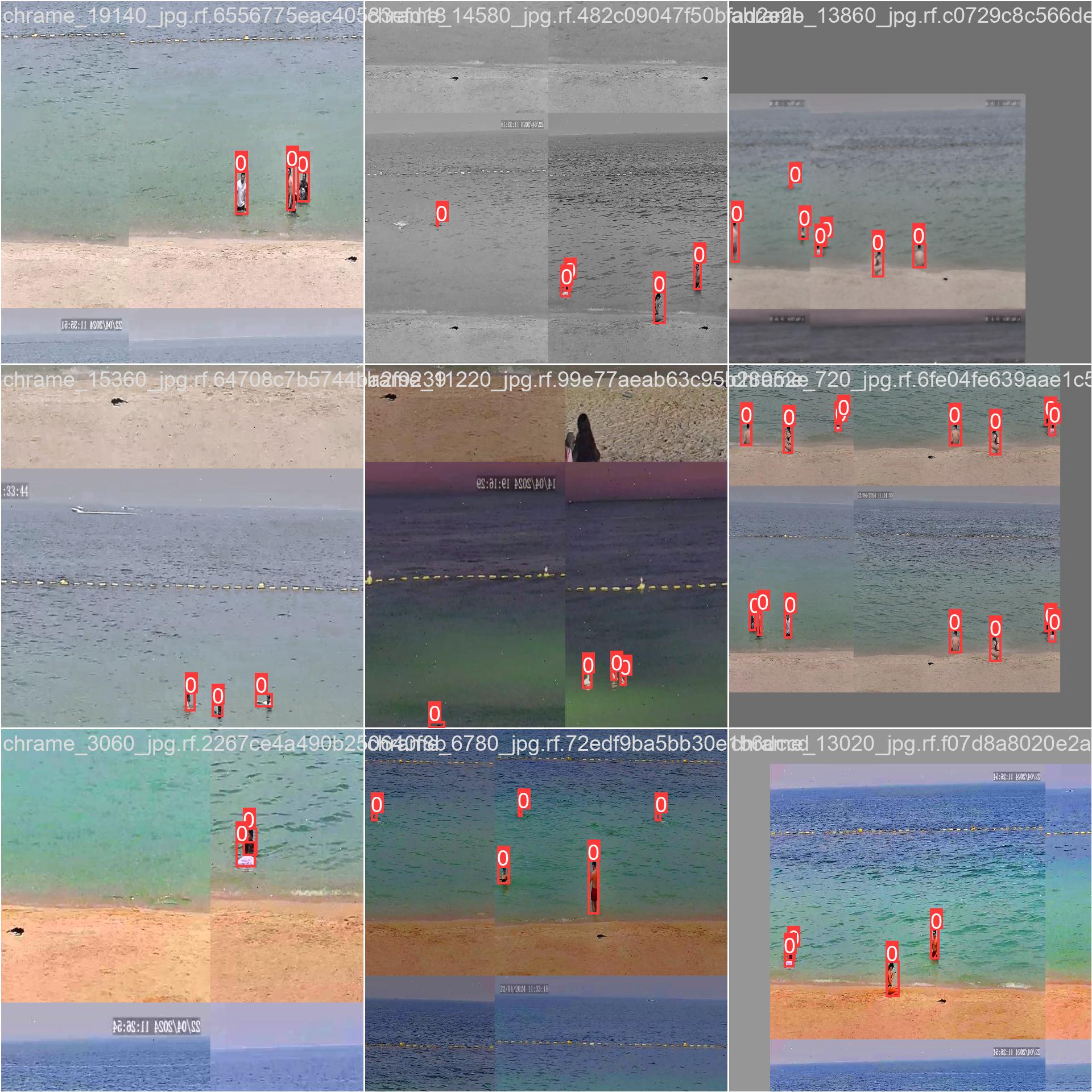
Structured the project roadmap and delivery timeline from the tender requirements. Aligned stakeholders across Sketric, Deep Blue Technologies, and UAE authorities. Translated tender requirements into technical milestones and coordinated between computer vision engineers, backend developers, and frontend teams throughout delivery.
Model Development and Testing
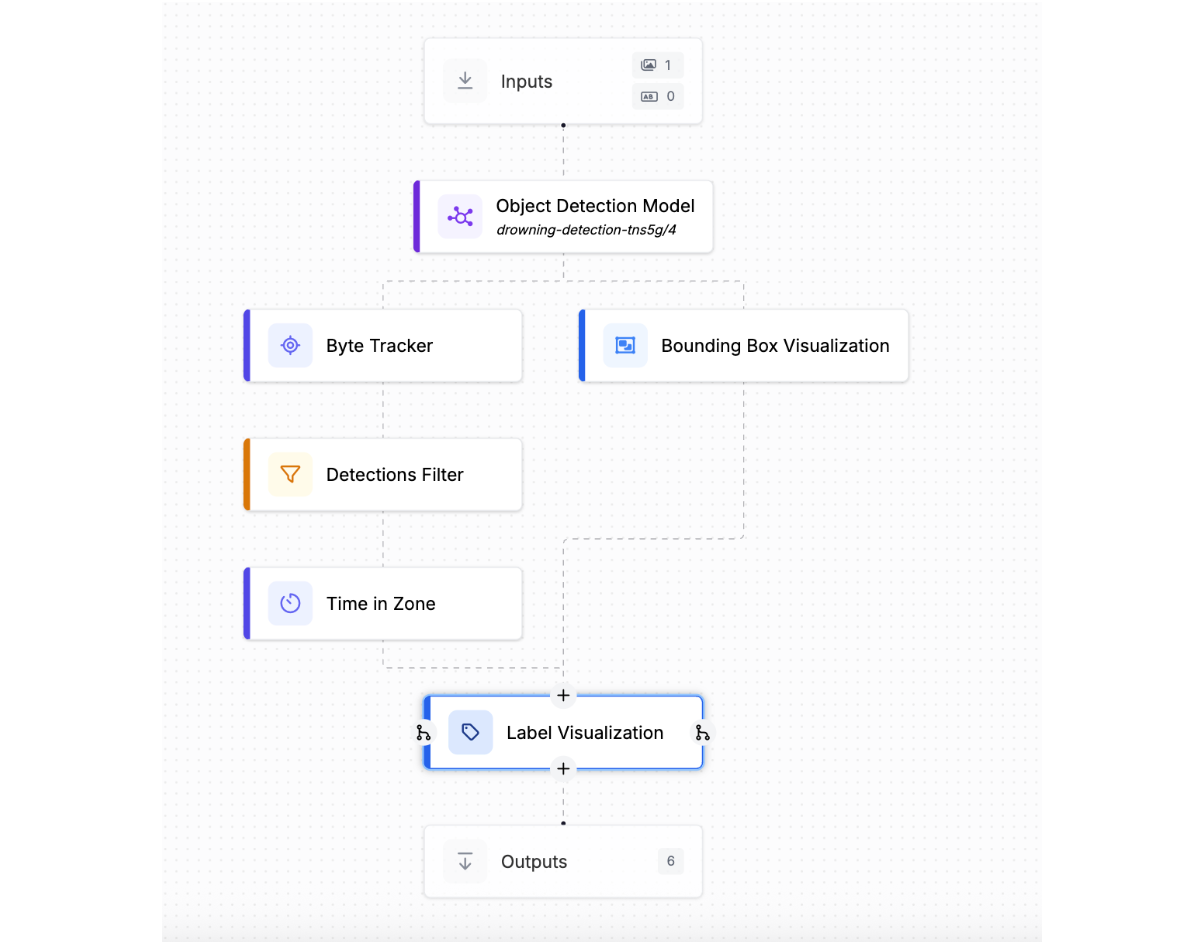
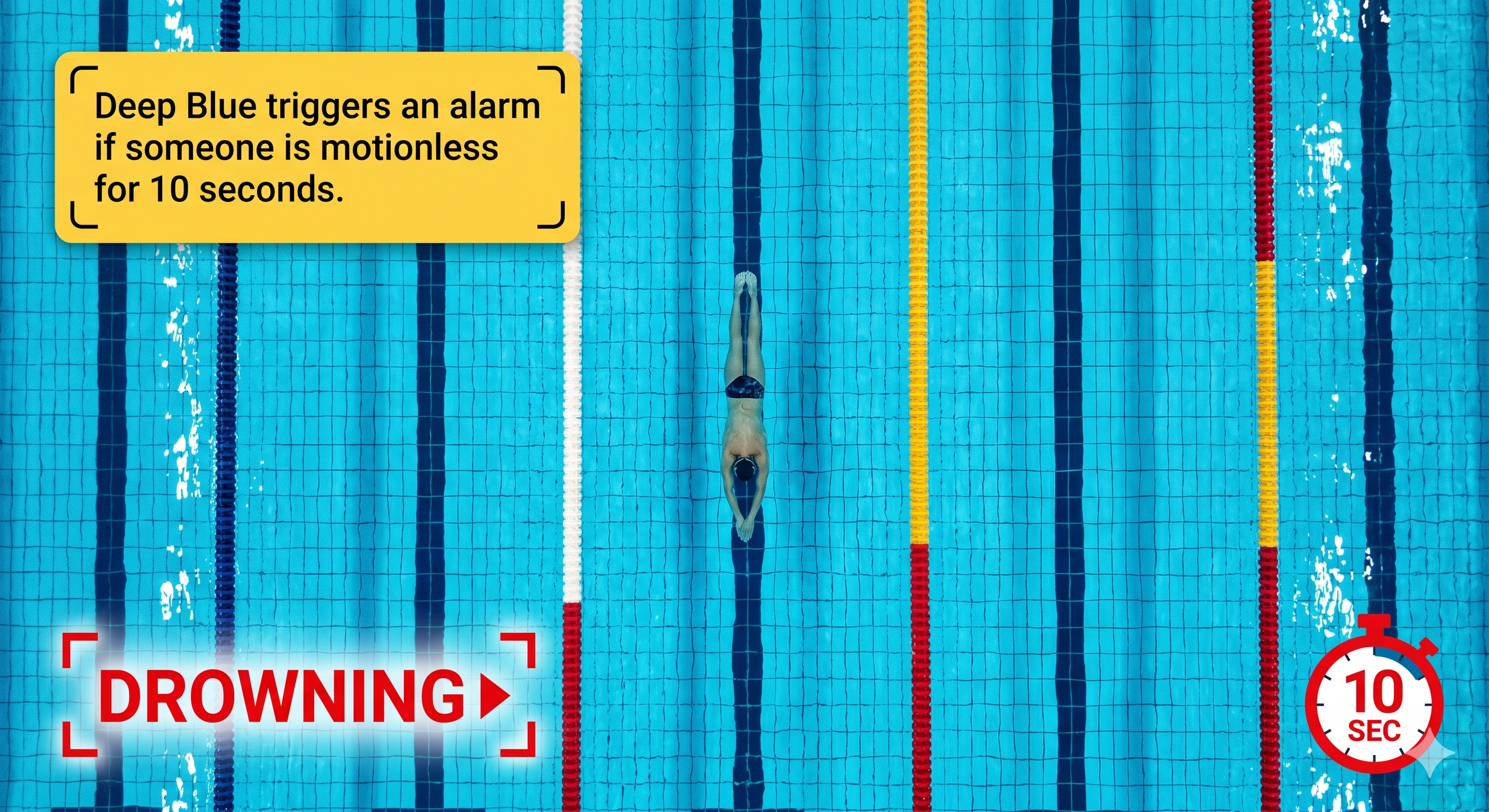
Trained computer vision models using YOLO-based object detection combined with custom tracking logic to identify prolonged underwater behaviour and distress signals. Trained and tested across multiple environments including swimming pools, beaches, lagoons, and school facilities. Achieved 88% detection accuracy reported formally to partners.
Live Demo and Delivery
Built live-stream demos operating on real camera feeds, an analytics and monitoring dashboard to track detections and incidents, and a system capable of demonstrating reliability, explainability, and scalability to non-technical stakeholders. Conducted live demonstrations on actual beach and pool footage.
Stack





Conclusion
Technical excellence only matters if it is packaged, communicated, and delivered in a way that decision-makers can trust. This project reinforced that principle at every stage. Coordinating across three organisations, managing government-level expectations, and delivering a life-safety AI system that met tender evaluation criteria on first submission represents one of the most complex delivery challenges undertaken at Sketric, and the outcome validated both the technical approach and the project management philosophy behind it.