Building an Enterprise Analytics Platform for a B2B SaaS Company
KodeKloud, one of Singapore's fastest-growing DevOps training providers, had a data problem. Operating across multiple product versions, separate subscription trackers, and fragmented marketing sources, there was no unified view of the user journey from acquisition through to course completion. The engagement was to fix that end to end.
Role
Technical Project Manager
Company
Sketric Solutions (client: KodeKloud)
Team
Senior data engineer + data analyst
Stack
GCP, BigQuery, DBT, Metabase
Challenge
KodeKloud's biggest challenge was fragmentation. They operated across multiple product versions including a legacy platform and a newer v3 system, with separate subscription and product tracking systems, multiple marketing and attribution sources, and data spread across Google Analytics, CRM tools, and internal databases. There was no single place to understand how a user moved from signup to purchase to course completion. Business decisions across product, marketing, and finance were being made in silos.
Results
Delivered a full-scale enterprise data warehouse on GCP within six months, consolidating more than eight fragmented data sources into a single governed pipeline and live reporting layer. For the first time, KodeKloud had a unified view of the complete user journey across all three business functions, enabling data-informed decisions at the speed the business required.
6 months
Delivered under
8+
Data sources unified
3
Business functions served
Process
Requirements and Stakeholder Alignment
Led requirement gathering across KodeKloud's product, marketing, and curriculum teams. Ran sprint planning, structured delivery timelines, and acted as the bridge between business stakeholders and technical execution throughout the engagement.
Architecture and Data Modelling
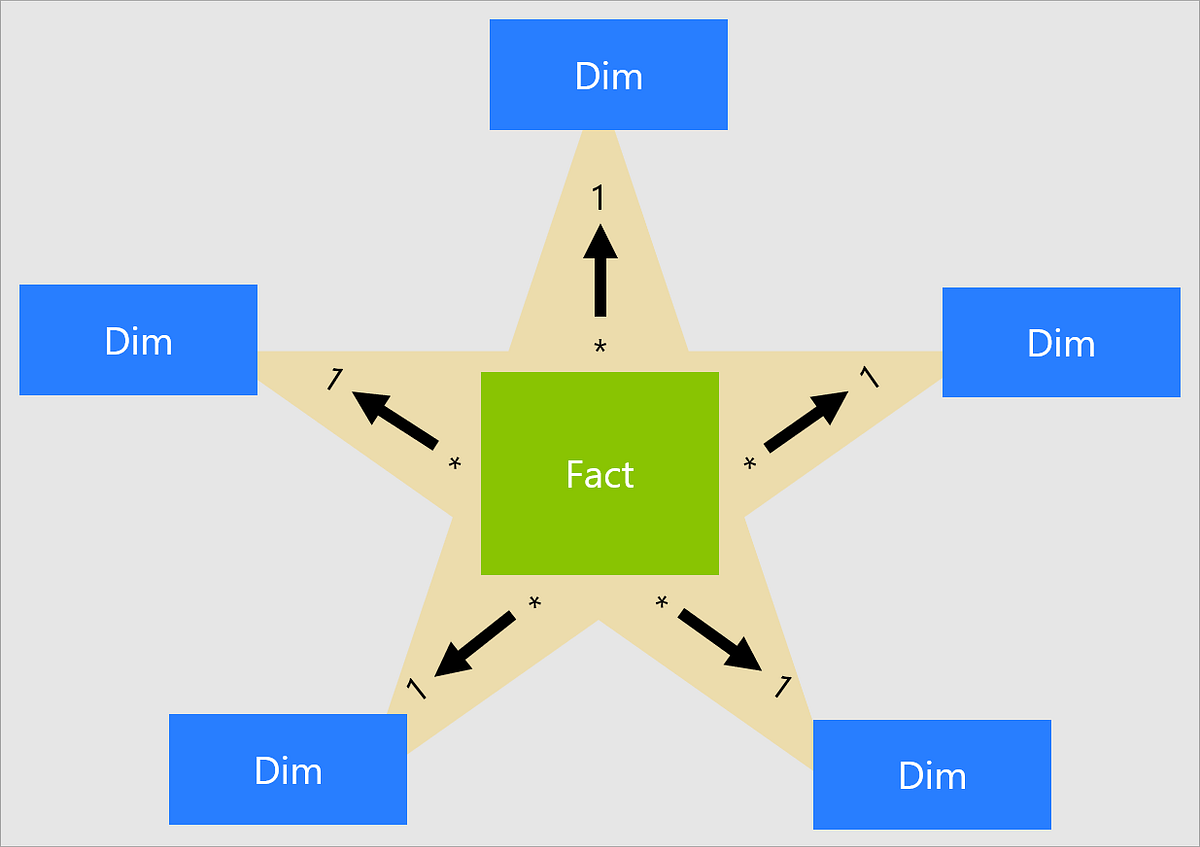
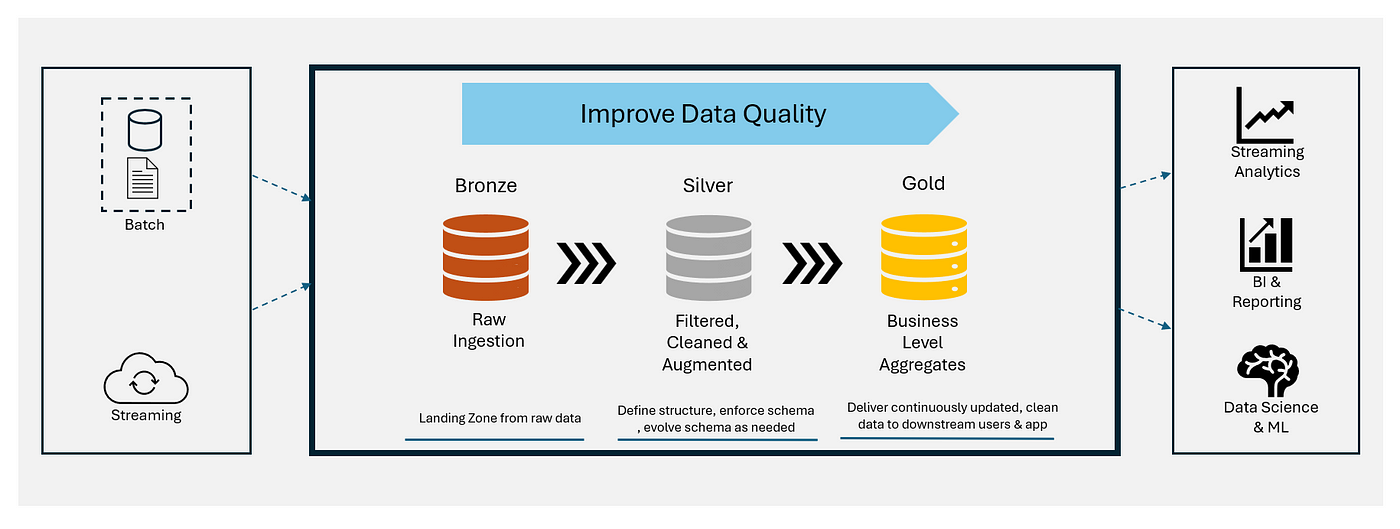
Designed the warehouse using a STAR schema with bronze, silver, and gold governance layers to establish data hierarchy and quality standards. Built end-to-end ETL pipelines on Google Cloud Platform using DBT for transformation logic and documentation, with orchestration and cost-optimised workflows.
Unifying the User Journey
Connected subscription lifecycle events, product engagement and course completion data, marketing attribution sources, and funnel transitions from signup through to course completion into a single coherent pipeline. Selected Metabase as the analytics and dashboarding layer for independent commercial visibility post-handover.
Dashboards and Outcomes
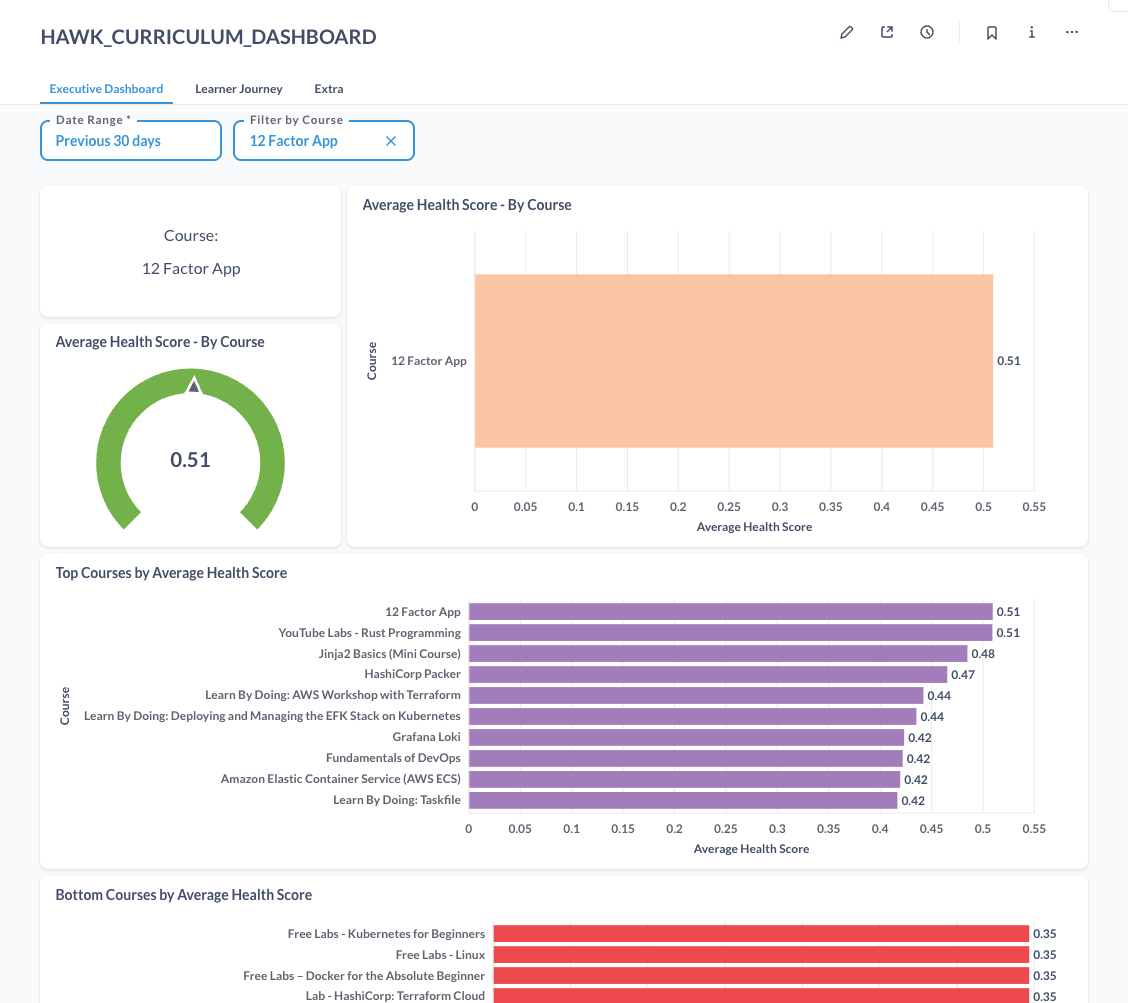
Delivered dashboards across marketing (acquisition funnels, channel performance), product (course completion cohorts, drop-off analysis, engagement timelines), and curriculum (course health scores, video completion rates, A-A-R-R-R funnel (Acquire, Activate, Retain, Reactivate, Refer)).
Stack






Conclusion
The KodeKloud engagement demonstrated that successful data infrastructure delivery is not just about building pipelines. It is about delivering insights that directly influence business decisions. By unifying six fragmented data sources into a single governed warehouse and handing over a live reporting layer the team could use independently, the project gave KodeKloud the commercial visibility it needed to make data-informed decisions at scale.